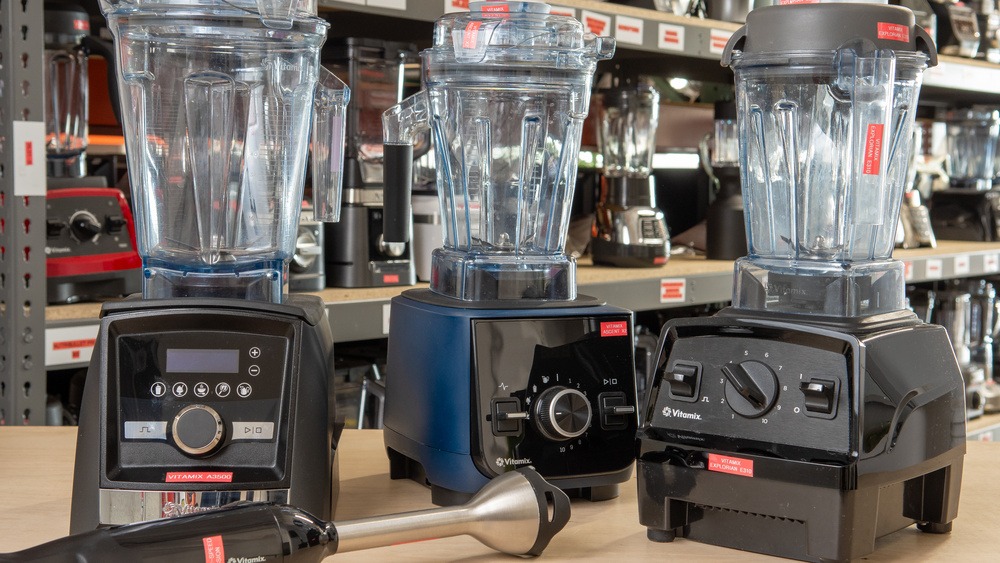
A premium blender does not become a smart buy the moment a sale tag appears. The real win is when the discount lines up with how you cook, how much counter space you have, and how often you expect the machine to earn its place. The Vitamix Ascent A3500 sits in that exact pocket for many U.S. shoppers this week: expensive enough to make people pause, yet capable enough to make a lower price feel meaningful.
For readers tracking appliance markdowns through consumer shopping coverage, this is the kind of smart blender deal that deserves a slower look. A cheaper blender can make a smoothie. This one is built for thicker jobs, repeatable textures, hot soups, dips, frozen desserts, and the sort of weekday food prep that turns a kitchen tool into a habit. The point is not to buy because the tag looks dramatic. The point is to decide whether the sale finally makes the long-term value match your kitchen life.
Why the Vitamix Ascent A3500 Price Drop Feels Different
Most kitchen discounts feel loud for a day, then ordinary once you compare the details. This one gets attention because the model already lives in a higher tier, where buyers are often waiting for permission to act. That pause matters. You are not choosing between two plastic gadgets near the checkout aisle. You are weighing a machine that may sit on your counter for years against rent, groceries, school lunches, and every other real expense in an American household.
That is why the deal feels different from a random coupon. A $20 markdown on a gadget may be enough to tempt a buyer who does not care about the model. A drop on a premium kitchen tool asks a bigger question: will this change what you actually make at home? For many people, the answer depends less on income and more on routine. A busy family that blends daily can see value fast. A buyer who only likes the idea of green smoothies may not. This is where many shoppers get tripped up during sale weeks. They compare the sale price with the old price, but they forget to compare the machine with their real mornings. The blender that looks expensive in a cart may be fair for a family using it twice a day. The same blender may be wasteful for someone who mostly eats cereal and toast.
The sale matters because the normal price is a barrier
A high-performance blender can be hard to justify at full price, even for people who cook often. The barrier is not only the sticker. It is the fear that the machine will become another shiny object sitting beside the toaster. That fear is fair. Plenty of appliances get bought during a burst of ambition and then vanish into a cabinet by Labor Day.
A lower price changes the math, but it should not erase judgment. If your family already buys smoothies, bottled juices, frozen acai bowls, hummus tubs, or prepared soups every week, the value is easier to see. A household in Phoenix making breakfast smoothies before school may use the machine five mornings a week. A couple in Chicago who cooks on Sundays may care more about sauces, soups, and batch prep. Same blender. Different payoff.
The non-obvious part is that the discount is not the main value. The main value is reducing friction. If the machine makes healthy food faster on a Tuesday night, the savings show up in fewer takeout runs and fewer half-used ingredients dying in the fridge. That is not as exciting as a sale banner, but it is where the purchase starts to make sense.
Stock, color, and warranty can change the real deal
A sale price can hide trade-offs. Sometimes the lowest tag applies to one color. Sometimes it is a reconditioned unit. Sometimes the deal looks strong until you notice the warranty, return window, shipping cost, or missing container. That is why the smartest shopper checks the full cart before feeling impressed.
For this model, the 64-ounce low-profile container is part of the appeal. It handles family-size batches without the tall, narrow shape that can be awkward under cabinets. The base reads compatible containers, which matters if you plan to add smaller cups or other jars later. That turns the machine into more than one fixed setup.
Here is the quiet catch: not every buyer needs that system. If you only make one protein shake after the gym, a personal blender may fit your life better. If you cook in bigger batches, host family dinners, or make nut butter and thick dips, the larger container and stronger base start to earn their keep. A lower price should sharpen that decision, not blur it.
What You Actually Get Beyond the Discount
The price brings people in, but the machine still has to do the work after the receipt is gone. That is where this Ascent Series blender separates itself from simple countertop models. It is not only about power. It is about control, repeatability, cleaning, and the small daily annoyances that decide whether you keep using it after the first week.
A blender can win or lose you in small moments. Does the lid feel secure when the jar is half full of hot soup? Can you wipe the controls after peanut butter lands on the panel? Does the tamper help when a frozen mixture stops moving? These details are not glamorous, but they decide whether the machine becomes part of dinner or turns into a weekend-only toy. You notice them after the third use, not the first. The first use is excitement. The third use is when cleanup, noise, jar shape, and control layout begin telling the truth.
Preset programs help when your mornings are messy
Preset programs sound like a luxury until you are packing lunches, finding missing shoes, and trying to get breakfast into a child who says every smoothie is “too icy.” A timed cycle removes some guesswork. You press the setting, let the machine run, and come back to a more predictable texture.
That does not mean presets replace judgment. Frozen strawberries, oat milk, spinach, Greek yogurt, and peanut butter do not behave the same way as banana and orange juice. You still need enough liquid. You still need to load the container in a sensible order. The machine can help, but it cannot fix a recipe that has no movement inside the jar.
The real benefit is routine. A nurse leaving for a 7 a.m. shift in Dallas does not want to babysit a blender. A parent making a post-practice smoothie in Ohio wants the same result every time. Presets are not magic. They are a way to make a decent habit easier to repeat.
The timer and self-detect system help repeat recipes
The programmable timer is one of those features that sounds small until you use it for recipes where seconds matter. Cashew cream, salsa, pancake batter, and frozen drinks can shift from right to overworked faster than people expect. A timer gives you a stopping point.
The self-detect system adds another layer. When compatible containers are used, the base can adjust settings around the container size. That matters because a small jar and a large jar do not move food the same way. A thick dip in a wide container may need help from the tamper. A thin smoothie may pull down with less effort.
One counterintuitive truth: smart features are best when they make you think less, not when they ask you to manage more. A touchscreen looks modern, but the better test is whether cleanup feels easy and whether the controls make sense with wet hands nearby. Wipe-clean controls and a self-cleaning cycle are not flashy. They are the reasons some people keep the blender out instead of hiding it after one messy recipe.
Who Should Buy It During a Smart Blender Deal
A discount is most useful when it meets the right buyer. This smart blender deal is not for every kitchen, and pretending otherwise would be lazy advice. Some people should grab the chance. Others should let the sale pass and buy something smaller, cheaper, or simpler.
The best buyer already has a reason. Maybe you make smoothies before work. Maybe you cook soups in cold months. Maybe you want salad dressings that do not taste flat after two days in the fridge. The weakest buyer is the one hoping the purchase will create a new personality. Appliances can support habits. They rarely create them from nothing. That sounds harsh, yet it is useful. If your current meals already involve fruit, soups, sauces, beans, frozen produce, or protein shakes, the machine has work waiting for it. If those foods are only on your wish list, the sale should not rush you.
Daily smoothie people get the cleanest payoff
The strongest case belongs to people who blend often and hate weak texture. If you are making smoothies with frozen fruit, greens, seeds, protein powder, and ice, a weak motor makes the process annoying. You stop, shake the jar, add too much liquid, and end up with a thin drink you did not want.
A high-performance blender changes that rhythm. It pulls ingredients down better, breaks down fibrous greens, and handles thick blends without turning breakfast into a project. For a household that makes two smoothies each morning, that difference adds up fast.
There is also a nutrition angle, though it should stay grounded. The machine will not make you eat better by itself. It can make better choices easier to prepare. That matters for Americans trying to get breakfast done before a commute or for remote workers who need lunch without ordering delivery again. Convenience wins more food battles than willpower.
Occasional cooks may be better served by a simpler model
If you cook twice a month and mostly need milkshakes, the premium tier may be overkill. There is no shame in that. The wrong deal is still wrong, even if the percentage off looks impressive. A lower-cost blender can handle soft fruit, basic sauces, and the occasional frozen drink.
Think about your hardest recipe, not your easiest one. If the hardest thing you make is a banana smoothie, you do not need this much machine. If your hardest recipe is almond butter, frozen margaritas for a backyard party, silky tomato soup, or a thick green smoothie with kale stems, the upgrade makes more sense.
A good example is a small apartment kitchen in New York or Boston. Counter space is tight. If the blender stays out, it has to earn that space weekly. If it goes in a cabinet, its weight matters. Buyers in smaller homes should read space-saving kitchen appliance ideas before treating any sale as automatic. The best appliance is the one you can reach without rearranging your life.
How to Check Whether the Sale Price Is Worth Trusting
Deal language can get slippery. “Lowest price” may mean lowest at one retailer, lowest for one finish, lowest since a holiday, or lowest for a reconditioned unit. You do not need to become a price historian. You need a short, calm process that catches the common traps before checkout.
Start by treating the headline as a lead, not proof. Retailers know that shoppers move fast when a premium brand gets marked down. That pressure can work against you. The better move is boring: compare, read, wait for the cart to show the final number, then decide. Ten calm minutes can save you from a purchase you regret by the time the box reaches your porch. This matters more with premium appliances because the return process can feel annoying once a heavy box has been opened, washed, used, and packed again. Better to catch the problem while it is still a line item on a screen. A patient checkout beats a fast return. That short pause protects your money and your counter space.
Compare the direct price before trusting a sale banner
Start with the brand’s own listing and compare it with major retailers. The official product details give you the baseline for included parts, specs, and warranty language. From there, check whether the sale item is new, reconditioned, bundled, or missing an accessory.
That step matters because two listings can look similar while offering different value. One may include the standard container and full coverage. Another may be a returned unit at a lower price. A third may be unavailable in the color you want but priced low enough to pull clicks. The number alone does not tell the whole story.
The quiet shopper wins here. Take five minutes. Read the seller, the shipping date, the return policy, and the warranty. If the deal survives that check, it is stronger than the banner made it look. If it falls apart, you saved yourself from a bad purchase dressed up as a bargain.
Look at accessories, returns, and long-term kitchen fit
Accessories can make or break the value. A personal cup adapter, food processing attachment, stainless container, or smaller jar can expand what the machine does. Yet buying every add-on at once can turn a sale into a spending spree. Start with the container you will use most.
Returns matter too. A blender can look perfect online and feel wrong on your counter. Maybe it is louder than expected. Maybe the footprint bothers you. Maybe you dislike the touchscreen. A clear return window gives you room to test the purchase with real recipes, not daydream recipes.
One non-obvious test is the “first week menu.” Before buying, name four things you will make in the first seven days: a breakfast smoothie, a soup, a sauce, and one thicker recipe such as hummus or frozen dessert. If you cannot name them, pause. If the list comes easily, you are closer to a smart buy. For more planning, pair this decision with weekly meal prep tools for busy families.
Conclusion
A lower price can make a premium blender feel tempting, but the better question is whether it removes enough friction from your daily kitchen routine. The strongest buyers are not chasing a shiny counter display. They are people who already blend often, cook in batches, or want one machine that can handle thick, demanding recipes without constant fuss.
The Vitamix Ascent A3500 makes the most sense when the sale price, warranty, container, and return policy line up together. Treat those details as part of the deal, not fine print after the deal. That is how you avoid paying less for the wrong version or buying more machine than your kitchen needs.
If the price this week fits your budget and your habits are already there, this could be a rare moment where waiting pays off. Check the listing, compare the full package, and make the purchase only if you can see exactly how it will work in your next seven days.
Frequently Asked Questions
How much should I pay for a premium Vitamix blender on sale?
A strong sale should feel meaningfully lower than the brand’s direct price while keeping the right warranty, container, and return window. Do not judge by discount percentage alone. Compare the final cart total, shipping, seller, and whether the unit is new or reconditioned.
Is a smart blender worth it for daily smoothies?
Yes, if your smoothies include frozen fruit, greens, seeds, powders, or ice. The benefit is better texture with less stopping and stirring. If you only blend soft fruit and milk, a cheaper personal blender may be enough for your routine.
What makes an Ascent Series blender different from older models?
The main appeal is the smarter base, compatible container detection, preset programs, cleaner controls, and modern container system. Older models can still perform well, but the newer platform is better for buyers who want more guided settings and future container options.
Should I buy a reconditioned Vitamix to save money?
A reconditioned unit can be a smart purchase when it comes from a trusted seller and includes clear warranty coverage. Check what is in the box and inspect the return policy. The lower price matters less if support or accessories are weaker.
Can this blender replace a food processor?
It can replace some tasks, such as sauces, dips, purees, smoothies, and frozen desserts. It is not the same as a food processor for slicing, shredding, or dry chopping. Think of it as a strong blending tool first, not a full prep station.
Is the 64-ounce container too big for small kitchens?
It depends on storage and batch size. The low-profile shape fits under many cabinets better than tall jars, but it still takes counter room. Small households should buy it only if they make family-size batches, soups, sauces, or thick recipes often.
What should I check before buying during a blender sale?
Check the seller, warranty, return window, included container, color, shipping date, and whether the item is new or reconditioned. Then compare the final price with the brand’s direct listing. A sale is only good when the full package holds up.
What recipes show whether a high-performance blender is worth it?
Try a frozen fruit smoothie, hummus, hot soup, cashew cream, nut butter, or crushed ice. These recipes expose weak motors and poor jar design fast. If those foods are part of your normal week, a stronger machine can earn its space.