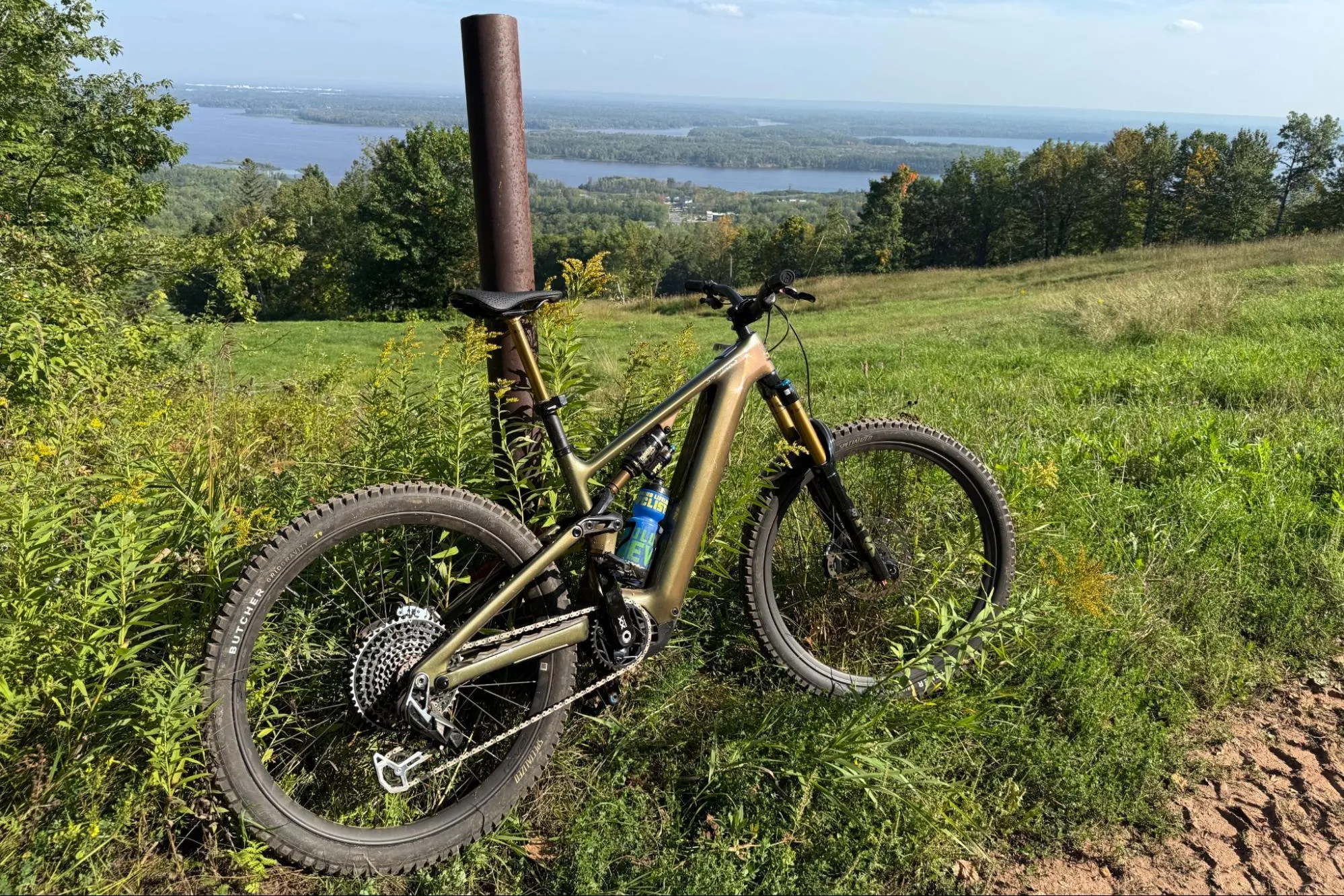
Bike shoppers have grown tired of paying race-bike money for a weekend trail machine. That is why the Specialized Stumpjumper Mountain Bike news lands with more force than another glossy launch photo. A new lower-priced carbon trail bike changes the question for American riders who want one bike for local singletrack, rocky state-park loops, and the occasional lift-served day without stepping into five-figure fantasy pricing. The headline is not only carbon. The headline is access. For years, many riders treated carbon as the upgrade you bought after the aluminum bike wore you down. Lighter frame, cleaner storage, better resale. Nice, but hard to defend when the rest of life costs more too. This model gives buyers a different path: get the frame material and modern Stumpjumper platform first, then upgrade wheels, contact points, or suspension parts later. For readers comparing current bike launches, outdoor gear pricing trends often matter as much as the logo on the down tube. The best move is not always buying the priciest build. Sometimes it is buying the frame you want before the parts you think you need.
Why the Specialized Stumpjumper Mountain Bike Price Drop Matters
Price has become the hidden trail feature. Riders talk about travel, head angle, reach, and shock tune, but the buying decision often happens at the kitchen table after taxes, a helmet, pedals, and maybe a hitch rack enter the math. A lower entry point for a carbon model matters because it pulls premium frame feel closer to normal American riding budgets. That does not make it cheap. It makes it less distant. For a household choosing between a bike, summer travel, and another round of car repairs, that distance is the whole story. A smaller gap can turn “maybe next year” into a purchase that still leaves room for shoes, service, and trail fuel. The bike industry sometimes forgets that riders also pay for gas, trail passes, and post-ride food. A lower sticker works only when the total ride life still feels possible. For buyers who ride all season, the savings can also fund tires, a shock pump, or a first service.
Why carbon pricing has felt out of reach for everyday riders
A rider in Bentonville, Arkansas, or Pisgah-adjacent North Carolina does not need a World Cup build to have a strong season. They need a bike that can handle repeated roots, braking bumps, humid summer rides, and winter tune-ups without eating every spare dollar. The old carbon problem was simple: the frame was desirable, but the build kits often dragged the final price into a zone where many buyers walked away.
The counterintuitive part is that a less expensive carbon build can be a better long-term purchase than a mid-level aluminum build loaded with nicer parts. Parts wear. Frames set the character. A drivetrain will get chewed up by mud and pressure washing. Tires will vanish under hard cornering. But a good carbon chassis can stay in the garage for years while the rider changes the rest around it.
That is why the new pricing angle matters beyond one product page. A rider who once had to choose between frame material and rent-friendly restraint now gets a middle option. It is not the dream build, and it should not pretend to be. But if the frame, geometry, and suspension layout are right, the cheaper parts become a plan rather than a flaw.
What lower pricing says about the bike market now
The mountain bike market is correcting after a wild few years. Shops still need premium bikes, but buyers are sharper than they were during the shortage era. Nobody wants to feel punished for waiting. A Stumpjumper 15 carbon option near the price of some alloy builds sends a clear message: brands know riders are comparing harder.
That shift helps the buyer, but it also raises expectations. A lower price cannot feel like a stripped frame with bargain-bin choices bolted on. Riders will forgive basic wheels if the ride is sorted. They will forgive a heavier cockpit if the suspension works. They will not forgive a bike that feels cheap on the trail. That is the line Specialized has to walk.
Local shops feel this tension first. A salesperson in Colorado Springs or Salt Lake City can no longer point at carbon and expect the sale to close itself. They have to explain why this build fits a rider’s weekly trails, not only why the frame is lighter. The upside is healthy. Better questions lead to better bike choices, and better bike choices lead to fewer expensive regrets.
The Ride Story Behind the New Carbon Model
The new model has to do more than look like the high-end bike from across the parking lot. Trail riders notice the small stuff fast. The way the bike settles into a flat turn. The way the rear wheel tracks square rocks while climbing. The way the front end feels when you are tired and choose the wrong line near the end of a ride. That is where a carbon trail bike has to earn its price. The frame should disappear under you, not demand praise. When a bike is working, you think about the next corner, not the receipt. That plain feeling is harder to build than a flashy parts list. A demo spin outside a shop will not reveal all of it. You need dirt, noise, fatigue, and one bad line to know whether the bike stays composed.
How the Stumpjumper 15 carbon frame changes the feel
A Stumpjumper 15 carbon frame is not magic, and that is good. The best trail bikes do not feel like tricks. They feel calm when you are late on the brakes, lively when the trail opens, and quiet when loose rocks try to knock the bike off line. Carbon helps when it gives the frame a tuned feel instead of a hollow, nervous one.
On a rocky Pennsylvania trail, that difference can show up after forty minutes, not four. Your hands stay calmer. Your legs are still working, but the bike is not adding extra chatter to every mistake. The non-obvious part is that carbon does not always mean softer. A poor carbon frame can feel sharp and dead at the same time. A good one gives support without making every root feel like a rim strike.
Frame storage adds another small, practical win. Riders rarely brag about carrying a tube, pump, plug kit, and snack inside the bike, yet that detail changes how often the bike is ready. The more gear that lives on the ride, the less you forget at home. That matters on a Tuesday evening when you have ninety minutes of daylight and no patience for packing.
Where GENIE suspension fits into real trail riding
Specialized has made much of its GENIE rear shock idea, and the rider-facing pitch is easy to understand: better grip early in the travel with more hold near the end. The promise fits the Stumpjumper job description. This is not a downhill bike, yet it needs to feel brave when the trail gets rough. It is not an XC bike either, yet it should not waste your legs on rolling climbs.
Think about a Saturday loop at DuPont, Kingdom Trails, or a local county trail with one punchy climb after another. You want traction over wet roots, but you do not want the bike wallowing each time you stand up to pedal. A full suspension mountain bike lives or dies in that middle zone. The shock has to erase enough noise to build confidence while saving enough energy to keep the ride fun.
Suspension also changes how riders progress. A bike that forgives poor timing can teach bad habits, but a bike that punishes every mistake can scare people away from harder lines. The sweet spot is a bike that gives feedback without making the ride feel hostile. If the new model lands there, the lower price matters even more because it gets that feel under more riders.
What Buyers Should Compare Before Paying for Carbon
A lower price gets attention, but it should not end the decision. The smartest buyers slow down here. Carbon can be the right call, but only when the rest of the build matches how you ride. A desert rider in Phoenix, a root-chasing rider in Vermont, and a flow-trail rider in Missouri may all look at the same Stumpjumper and need different upgrades within six months. This is where a trail bike buying guide can help, because the best build is rarely the one with the loudest spec sheet. It is the one that lines up with your dirt, your body, and your repair comfort. The wrong part mix can make a good frame feel average. The right setup can make a modest build feel honest and quick.
Components that matter more than the frame sticker
The first comparison should be brakes, wheels, tires, and suspension parts. Those pieces decide how safe and settled the bike feels at speed. A shiny frame cannot save weak tires on loose-over-hard dirt. It cannot make light brakes feel confident on a long descent in Colorado. It cannot turn fragile wheels into a smart match for a 190-pound rider who lands hard.
That does not make the lower-priced carbon model a bad buy. It means buyers should read the spec with honesty. A rider who spends most weekends on smoother Midwest singletrack may be happy for years with the stock setup. A rider heading to bike parks may need stronger rubber, fresh pads, or tougher wheels sooner. The frame can be the platform, not the whole answer.
Drivetrain choice deserves a calmer view too. Wireless shifting feels clean, but a cable drivetrain can be easier to fix in a small-town shop before a road trip. Expensive parts are not always the parts that save your weekend. A hanger, brake pad, tire casing, or spoke count can matter more when you are two hours from home and the trailhead lot is full.
Why geometry adjustment may matter more than weight
Weight gets too much attention because it is easy to measure in a shop. Geometry is harder to feel until you are on dirt. The Stumpjumper platform gives riders ways to fine-tune the bike’s attitude, and that can matter more than saving a handful of ounces. A slacker, lower setup can calm steep descents. A steeper, higher setup can help on pedal-heavy trails with tight corners.
Here is the quiet truth: many riders who obsess over frame weight carry more extra weight in water, tools, snacks, and tire choice than they save by jumping between build levels. Fit and setup shape the ride more often. Before chasing grams, a buyer should check size, bar width, stem length, saddle height, tire pressure, and suspension sag. A well-set full suspension mountain bike beats a lighter one that never feels centered.
One real example: a rider in Austin on ledgy limestone may prefer a setup that keeps the front wheel calm and the bottom bracket protected through awkward pedal strokes. A rider in Santa Cruz may want more downhill confidence and accept a less lively climb. Same bike, different setup. That is the value of adjustment when it is easy enough for a home mechanic to understand.
Where This Bike Fits in the U.S. Trail Scene
The Stumpjumper has always lived in a messy category, and that is part of the appeal. American trails are not one thing. One town has machine-built berms. The next has old hiking paths opened to bikes with wet roots and awkward turns. Another has desert ledges that punish bad line choice. A do-it-most trail bike needs range, not a single personality. A buyer in Bend may care about dust and long descents. A buyer near Atlanta may care about roots, heat, and short laps after work. One frame has to speak to both without pretending those riders are the same. That spread is why the all-round trail bike still matters. Race categories are clean on paper, but most riders live between them.
Best riders for the new lower-priced build
This model makes the most sense for riders who want a long-term trail frame without paying for elite parts on day one. It suits the person coming from an older alloy bike who already knows they love the sport. It also suits the rider who would rather buy a carbon frame now and upgrade in stages than finance a top build they are afraid to scratch.
The buyer I would watch is the skilled local rider who does not race. That rider knows every root on the home loop, rides two or three evenings a week, and wants a bike that feels rewarding without feeling precious. For that person, a Stumpjumper 15 carbon build at a lower price may hit a rare sweet spot. It feels aspirational, but not absurd.
It may also fit the parent who rides early Sunday before family plans take over. That rider does not need team-issue parts. They need a bike that works when time is short. A light, settled, capable frame can make those small windows feel worth protecting. That kind of value rarely appears on a spec chart.
How to decide between alloy, carbon, and higher builds
Alloy still has a place. It is usually easier to defend for riders who crash often, travel with the bike, or care less about frame feel than total cost. Higher carbon builds also have a place for riders who know they want premium suspension, stronger wheels, or wireless shifting from day one. The lower-priced carbon option sits between those two choices.
Use a simple test. If you plan to keep the bike for three or more seasons, ride enough to notice frame feel, and enjoy upgrading parts over time, carbon makes sense. If you are new to trail riding, still learning your local terrain, or unsure whether you prefer flow trails, technical lines, or park days, an alloy build may be the safer first move. For setup and safety habits, the U.S. Forest Service mountain biking guidance is also worth reading before any big trip.
A final buying point: dealer support can matter more than a small online discount. Suspension setup, warranty questions, creak checks, and first-service adjustments are easier when a shop knows the bike. If two prices are close, choose the source that keeps you riding after the sale. The cheapest checkout screen can become expensive if support disappears.
Conclusion
The most interesting part of this launch is not the carbon itself. Riders have seen carbon frames before. The better story is that a respected trail platform is becoming easier to justify for people who ride after work, load bikes onto pickup pads, and care more about confidence than showroom bragging rights. The Specialized Stumpjumper Mountain Bike now feels closer to the rider who wants a serious frame without treating the purchase like a luxury-car payment.
That does not make it an automatic buy. A smart rider still checks fit, build kit, dealer support, and upgrade plans before handing over a card. Yet the direction is good. Premium trail bikes should not be reserved for racers, influencers, or people who replace bikes every season. The smarter path is patient: choose the frame that fits your future, then let the parts change as your riding changes. If this pricing move pushes more brands to build better mid-tier options, American riders win. Start with your trails, be honest about your riding, read a mountain bike maintenance checklist, and choose the bike that will make you ride more often.
Frequently Asked Questions
How much does the new lower-priced Stumpjumper carbon model cost?
Pricing can change by size, color, dealer stock, and promotions, so check Specialized’s U.S. site and local shops before buying. The key news is that carbon Stumpjumper options have moved closer to mid-tier trail bike pricing than many riders expected.
Is the Stumpjumper 15 carbon worth it over alloy?
It is worth it if you already ride often and want a lighter, more refined frame to keep for several seasons. Alloy may be smarter if you are newer, crash often, or want to spend less while learning what kind of trails you prefer.
Who should buy a carbon trail bike instead of a cheaper hardtail?
A carbon trail bike makes sense for riders who spend time on rough, rooty, rocky, or fast trails where rear suspension adds control. A hardtail still works well for smoother trails, lower budgets, skill building, and riders who like a more direct feel.
Is the Stumpjumper good for bike parks?
It can handle some park riding, especially flow trails and moderate jump lines, but it is not a pure downhill bike. Frequent park riders should look closely at tires, brakes, wheels, suspension setup, and whether a burlier build makes more sense.
What upgrades should buyers plan for first?
Tires, brake pads, grips, and pedals are often the first smart upgrades. Wheels and suspension parts can wait unless your trails are rough or your riding style is hard on equipment. Fit changes should come before expensive performance parts.
Does lower pricing mean the bike uses weak parts?
Lower pricing often means smarter compromises, not weak parts. The frame can still be the main attraction while the wheels, drivetrain, or cockpit sit at a more cost-aware level. Read the spec and match it to your trails before judging.
What size Stumpjumper should most riders choose?
Use Specialized’s size guide, then test ride if possible. The brand’s S-sizing gives overlap, so some riders can size up for stability or down for a more playful feel. Height matters, but arm length, riding style, and local terrain matter too.
Should I buy from a local Specialized dealer or online?
A local dealer can help with sizing, suspension setup, warranty questions, and early service, which matters on a full suspension bike. Online buying can work, but first-time buyers often benefit from shop support during the first few rides.