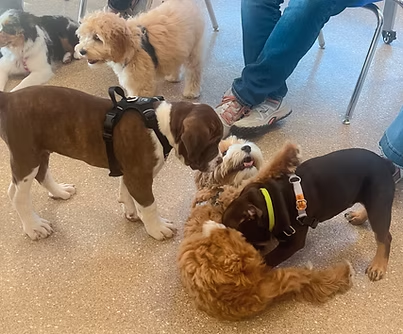
Taking your dog into public spaces should feel enjoyable, manageable, and safe for everyone involved. Proper obedience preparation for public outings helps dogs stay calm around distractions while giving owners greater confidence during walks, café visits, park trips, and everyday errands. Whether you are introducing a young puppy to busy environments or helping an older dog improve manners, consistent preparation creates better experiences for both dogs and handlers.
At Rob’s Dog Training, we believe public obedience is more than teaching commands. It involves building focus, communication, emotional control, and trust in real-world situations. Dogs do not automatically understand how to behave around crowds, noises, bicycles, children, or unfamiliar animals. These skills are developed gradually through structured guidance and repetition.
This guide explains why public obedience matters, how to prepare effectively, and what owners can do to help dogs succeed outside the home.
Why Public Obedience Matters
A dog that listens reliably at home may still struggle outdoors. Public environments introduce competing stimuli that challenge attention and self-control. Traffic sounds, food smells, moving people, and other animals can overwhelm even intelligent dogs without proper exposure and training.
Strong public obedience skills help dogs:
- Walk calmly on leash
- Ignore distractions
- Respond to recall cues
- Stay composed around strangers
- Avoid reactive behaviors
- Follow commands in unfamiliar environments
- Improve safety during outings
These behaviors make outings more pleasant while reducing stress for owners and the public.
The Difference Between Indoor and Outdoor Training
Indoor environments are predictable. Dogs know the layout, smells, and routines. Outdoors, everything changes quickly. A dog may respond perfectly to “sit” in the kitchen but ignore the same cue when another dog passes nearby.
Obedience preparation for public outings teaches dogs to generalize commands across multiple environments. This process strengthens reliability and improves communication under distraction.
Core Skills Dogs Need Before Public Outings
Before expecting a dog to behave calmly in busy spaces, foundational obedience should already exist at home or in low-distraction areas.
Loose-Leash Walking
Pulling on the leash is one of the most common challenges during outings. Loose-leash walking teaches dogs to move beside the handler without constant tension.
Benefits include:
- Better control
- Reduced stress on joints
- Safer navigation in crowded areas
- Improved handler focus
Consistency matters. Dogs should learn that pulling does not move them closer to distractions or rewards.
Reliable Recall
A dependable recall cue can prevent dangerous situations. Even in leash-required areas, recall training improves responsiveness and attention.
Effective recall training includes:
- Starting indoors
- Using high-value rewards
- Practicing gradually around distractions
- Avoiding punishment after recall
- Reinforcing success consistently
Dogs should associate returning to their owner with positive outcomes.
Sit and Stay
Public outings often require dogs to remain calm while waiting. Sit and stay commands help owners manage situations such as:
- Outdoor dining
- Vet waiting rooms
- Crosswalks
- Conversations with others
- Crowded sidewalks
Duration and distance should increase slowly over time.
Focus and Engagement
Engagement exercises teach dogs to check in with their handler instead of constantly reacting to the environment.
Helpful engagement drills include:
- Eye contact games
- Name recognition
- Rewarding voluntary attention
- Direction changes during walks
- Marker-word training
Dogs that stay mentally connected to their owner tend to perform better in public settings.
Common Challenges During Public Outings
Even well-trained dogs encounter obstacles during training. Understanding common behavioral challenges helps owners respond appropriately instead of becoming frustrated.
Excitement Around People or Dogs
Many dogs become overstimulated when they see strangers or other pets. Jumping, barking, whining, or pulling often comes from excitement rather than aggression.
Improvement strategies include:
- Creating distance from triggers
- Rewarding calm behavior
- Practicing neutrality
- Limiting overwhelming environments initially
- Avoiding forced greetings
Not every outing should involve social interaction. Calm observation is often more valuable than constant engagement.
Fear and Anxiety
Some dogs feel uncertain in noisy or unfamiliar environments. Signs of stress may include:
- Tail tucked down
- Panting
- Avoidance behaviors
- Trembling
- Excessive scanning
- Refusing food
Gradual exposure helps build confidence. Rushing fearful dogs into busy spaces can worsen anxiety and reduce trust.
Reactivity on Walks
Reactive behavior often appears as barking, lunging, or hyper-focus on triggers. Reactivity may stem from fear, frustration, or overstimulation.
Public obedience work for reactive dogs should prioritize:
- Distance management
- Controlled exposure
- Pattern games
- Calm reinforcement
- Predictable routines
Punishment-based responses can increase stress and intensify reactions.
Building Public Confidence Step by Step
Successful obedience preparation for public outings happens progressively. Dogs learn best when challenges increase gradually rather than all at once.
Start in Low-Distraction Areas
Quiet neighborhoods, empty parking lots, or calm parks provide better learning environments than crowded public spaces.
Focus on:
- Short sessions
- Simple commands
- Calm walking
- Positive reinforcement
- Consistency
Success in easier settings builds a stronger foundation.
Introduce Controlled Distractions
Once a dog performs reliably in calm areas, slowly add distractions such as:
- Passing people
- Mild traffic
- Other dogs at a distance
- Outdoor sounds
- Moderate foot traffic
Training should remain achievable. If the dog cannot focus, the environment may be too difficult too soon.
Practice Duration and Patience
Public outings often involve waiting calmly for extended periods. Dogs need opportunities to practice settling in real-life situations.
Helpful exercises include:
- Relaxing on a mat
- Sitting quietly beside a bench
- Waiting outside stores
- Calm observation exercises
Patience develops through repetition and consistency.
The Role of Socialization in Public Obedience
Socialization is not simply exposing dogs to many experiences. Effective socialization means creating positive, manageable experiences that build confidence and stability.
Healthy socialization includes exposure to:
- Different surfaces
- Various sounds
- New environments
- Diverse people
- Moving objects
- Calm dogs
Dogs should learn that unfamiliar situations are safe and manageable.
Avoid Over-Socialization
Constant greetings with every person or dog can create frustration and overexcitement. Balanced public obedience teaches dogs that neutrality is acceptable.
A calm dog walking past distractions without reacting often demonstrates stronger training than a highly social dog pulling toward every interaction.
How Consistency Shapes Long-Term Behavior
Dogs learn through patterns and repetition. Mixed expectations confuse communication and slow progress.
Consistency includes:
- Using the same verbal cues
- Reinforcing desired behaviors
- Maintaining clear boundaries
- Practicing regularly
- Following through calmly
Every outing becomes a learning opportunity. Small habits repeated daily shape long-term behavior more effectively than occasional intense training sessions.
Mistakes Owners Should Avoid
Many public training setbacks come from unrealistic expectations or inconsistent handling.
Moving Too Fast
Introducing dogs to overwhelming environments before they are ready can reduce confidence and increase stress.
Progress should match the dog’s comfort level and skill development.
Repeating Commands Excessively
Saying commands repeatedly without follow-through teaches dogs they can ignore cues.
Instead:
- Give the cue once
- Help the dog succeed
- Reward compliance
- Reduce distractions if needed
Ignoring Mental Fatigue
Training sessions that last too long can overwhelm dogs mentally. Short, focused sessions usually produce better results than marathon outings.
Signs of fatigue include:
- Slower responses
- Increased distraction
- Frustration behaviors
- Excessive sniffing
- Loss of engagement
Ending on a successful note helps maintain motivation.
Why Positive Reinforcement Supports Public Training
Positive reinforcement strengthens behaviors dogs want to repeat. Rewards help dogs associate public environments with safety, clarity, and success.
Common reinforcers include:
- Treats
- Praise
- Toys
- Play
- Movement
- Environmental rewards
Reward timing matters. Reinforcing calm choices immediately helps dogs understand which behaviors are desired.
Confidence Through Communication
Dogs thrive when communication feels predictable and fair. Clear guidance builds confidence and reduces uncertainty during public outings.
Owners who stay calm and consistent often see better long-term progress than those relying on correction-heavy approaches.
Preparing Puppies for Public Success
Puppyhood is an ideal time to introduce structured public experiences. Early exposure combined with obedience work helps prevent future behavioral issues.
Important puppy goals include:
- Comfort with leash walking
- Focus around distractions
- Calm greetings
- Recovery from surprises
- Handling tolerance
- Environmental confidence
Experiences should remain positive and age-appropriate.
When Professional Guidance Helps
Some dogs benefit significantly from professional support, especially if they struggle with:
- Severe reactivity
- Fear-based behaviors
- Leash aggression
- Extreme distraction
- Anxiety in public
- Inconsistent obedience
Professional trainers can identify triggers, create structured training plans, and guide owners through practical exercises tailored to the dog’s temperament.
Working with experienced trainers also helps owners improve timing, communication, and consistency.
Creating Better Public Experiences for Dogs and Owners
Obedience preparation for public outings is about more than control. It helps dogs navigate the world calmly while improving safety, communication, and confidence. Consistent training allows owners to enjoy walks, travel, social activities, and community spaces with fewer frustrations and greater trust in their dog’s behavior.
Reliable public manners develop gradually through patience, repetition, and realistic expectations. Every calm walk, successful recall, and focused interaction contributes to long-term progress.
At Rob’s Dog Training, we encourage owners to approach public obedience as an ongoing partnership rather than a short-term goal. With the right preparation and guidance, dogs can learn to remain composed, attentive, and confident in a wide variety of public settings.