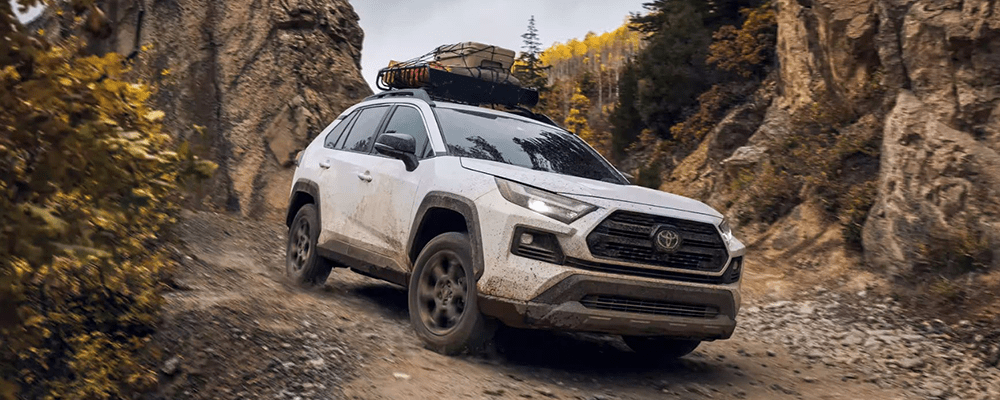
Some SUVs sell because they are rare. This one feels rare because buyers can see the logic, the savings, and the daily use case all at once. Toyota RAV4 Prime remains the name many shoppers type into search, even though Toyota moved the model to the RAV4 Plug-in Hybrid name for model year 2025. Toyota says the 2025 plug-in model kept the familiar 42-mile electric range estimate, 302 net system horsepower, and standard electronic all-wheel drive, which explains why demand never cooled in a clean, simple way.
For Americans tracking trusted automotive market signals, the pain point is not hard to spot. The RAV4 Plug-in Hybrid fits the sweet spot between a normal hybrid and a full EV. You can commute on electricity, road-trip on gas, and keep SUV cargo space without changing your life around charging. That mix is why a dealer markup still lands harder here than it does on many flashier cars. Buyers are not chasing a toy. They are chasing a practical answer that happens to be scarce.
Why Toyota RAV4 Prime Markups Refuse to Die
The supply problem is not only about low inventory. It is about the kind of buyer this plug-in hybrid SUV attracts: someone who wants Toyota reliability, electric errands, gas backup, all-wheel drive, and a cabin that works for kids, Costco, dogs, and bad weather. That buyer is less likely to wander across the street and buy any random compact SUV, and dealers know it. There is also a timing issue hiding inside the demand, since many shoppers who wanted one years ago were told to wait, watched prices and rates shift, then felt tired enough to accept terms they would have rejected on day one. Scarcity does not only raise prices. It wears people down.
The plug-in sweet spot creates a stubborn waitlist
Most cars have one main hook. This one has several. A full EV can scare off apartment dwellers, long-distance drivers, or families that do not want to plan charging stops. A regular hybrid feels easier, but it cannot cover many daily trips on battery power. The RAV4 Plug-in Hybrid sits between those worlds, which makes it attractive to cautious buyers who still want lower fuel use.
That middle position sounds modest, but it is the heart of the problem. Demand is not built on hype alone. It comes from office commuters in Phoenix, parents in suburban New Jersey, and weekend drivers in Colorado who want one vehicle that can handle Monday school drop-off and Saturday mountain roads. When a product solves a dull daily headache, scarcity sticks longer.
Toyota also made the old Prime formula feel more like a performance upgrade than an economy trim. The 2025 model carried 302 net system horsepower and a Toyota-estimated 0–60 mph time of 5.5 seconds, numbers that do not read like a penalty for choosing efficiency. That is the non-obvious part. Some buyers are not paying extra because they care only about fuel. They want the fast version of the RAV4.
Why scarcity feels worse at the local store
A national search can make the vehicle seem available. A local search can make it feel hopeless. You may see inventory three states away, then call and hear that the unit has a deposit, a protection package, a market adjustment, or a buyer ahead of you. The car appears on the site, but the real deal is already gone.
This is where dealer markup becomes emotional. A $3,000 add-on on a weekend toy is annoying. On a practical family vehicle, it feels like a toll on common sense. The buyer did the math, picked the responsible option, and then found out the responsible option costs extra because everyone else did the same math.
The dealer side has its own tension. Stores with small allocations want to protect gross profit, and sales teams know the next caller may accept the terms. That does not make the charge feel fair to the buyer. It does explain why the pressure keeps showing up, even when the broader car market feels calmer than it did a few years ago.
The worst part is the mismatch between website language and showroom reality. “In transit” can mean the car is not available to you. “Available” can mean available if you accept the package. “At dealer” can mean the unit is already spoken for but not delivered. A serious buyer has to decode the listing before even discussing price.
The 2026 Name Change Did Not Reset Buyer Demand
The badge changed, but the search habit did not. Many shoppers still say Prime because that was the name that built the reputation, and Toyota can clean up its naming system faster than buyers change their vocabulary. For dealers, the name shift can create a softer sales funnel because a shopper using the older phrase may land on used units, new plug-in units, incoming inventory, and old review pages in the same session. That confusion helps the market feel thinner than it already is. The buyer spends more time sorting names and less time comparing real numbers.
Prime is gone from the badge, not from the buyer’s mind
Toyota’s official 2025 release said the model changed its name to RAV4 Plug-in Hybrid, not because the idea disappeared, but because the company wanted clearer powertrain naming. For a normal buyer, that sounds tidy. For a shopper trying to find one at MSRP, it adds one more search wrinkle.
Some dealer listings use the current name. Some older used listings still use Prime. Some salespeople use both in the same conversation. That creates a messy marketplace where the buyer must search more than one phrase to see the full picture. If you only search one name, you can miss inventory or compare the wrong trim.
The name change also gives dealers a small advantage. A buyer who says “Prime” may signal that they have followed the model for years and already want it. A buyer who says “plug-in RAV4” may sound more open. That difference can shape the tone of the call, even when both shoppers want the same plug-in hybrid SUV.
New pricing may help, but it will not fix allocation
Toyota’s current U.S. page lists the 2026 RAV4 Plug-in Hybrid with a starting MSRP of $41,500, while the regular 2026 RAV4 starts lower as a hybrid-only lineup. On paper, that gives shoppers a clearer ladder. You can compare a standard hybrid, then decide whether the plug-in range and power are worth the jump.
The problem is that MSRP does not control how many units reach each local store. Toyota said the 2026 RAV4 hybrid models would start reaching U.S. dealers in December 2025, while plug-in models were expected in spring 2026. That staggered timing matters. When the normal hybrid arrives first, some buyers settle. Others wait, and that waiting group can turn into a stronger line for the plug-in version.
Here is the counterintuitive part: a lower or cleaner starting price can raise demand before it lowers stress. If more shoppers believe the deal finally makes sense, more shoppers call the same stores. The window between “pricing looks fair” and “inventory feels normal” can be the most frustrating stage.
It also changes the trade-in conversation. A dealer may offer more for your current car to make the deal feel softer, then keep the new vehicle price firm. That can still work for some buyers, but only if the trade value holds up against outside offers from CarMax, Carvana, or another local store. Treat the trade and the new-car price as two separate negotiations.
How to Shop Without Paying the Pain Tax
You cannot control allocation, but you can control your process. The buyer who calls one store, asks if a unit is available, and then reacts to the first price is playing the dealer’s game. The buyer who builds a wider map, asks better questions, and knows where to bend has a much better shot at avoiding a dealer markup. Start by deciding what you will not pay for: market adjustment, forced service contract, forced protection package, or a non-refundable deposit before a written price. When your line is clear, you sound less emotional on the phone, and a calm buyer is harder to steer.
Call for the out-the-door number before falling in love
The single best question is not “Do you have one?” It is “Can you send the full out-the-door quote with every dealer-installed item listed?” That question changes the conversation. It forces the store to show whether the price problem is a market adjustment, a protection package, a tint bundle, a doc fee, or a mix of all of it.
A shopper in Dallas might find a vehicle at MSRP, then learn it carries a $1,995 ceramic coating and a $799 anti-theft add-on. Another buyer in Ohio might see no market adjustment, but a higher doc fee and a required trade appraisal. Both shoppers need the real number, not the friendly headline.
Use a simple sheet. Track dealer name, contact, trim, color, arrival date, deposit rule, total price, add-ons, and refund terms. That sounds boring. Boring wins here. When you compare ten stores by total cost instead of vibes, the pressure loses some of its grip. It also gives you a polite way to push back: another store already showed the same vehicle with fewer fees.
Also ask whether the store will honor the quote if the vehicle arrives later than expected. A written number means less if it has a vague escape hatch. Ask the salesperson to confirm the VIN or allocation number, the exact trim, and whether any accessories can be removed before delivery.
Flexibility beats loyalty when inventory is thin
Brand loyalty feels good, and a local dealer relationship can help with service. It does not always help when a scarce plug-in hybrid SUV hits the ground. If your closest store wants thousands over sticker and refuses to remove accessories, your best answer may be a longer drive.
Expand by region, not by hope. Check nearby states with different demand patterns. A buyer in California may face more pressure than a buyer willing to search parts of Nevada, Arizona, or the Midwest. Weather, fuel prices, local EV interest, and dealer volume can change the tone of each market.
The second non-obvious move is to accept an unglamorous configuration. A less popular color or a base SE can be easier to buy than the exact XSE with a premium package. The best deal is often the vehicle someone else skipped because it was not their perfect spec. If your goal is to avoid markup, taste may need to bend before your budget does.
Do not confuse flexibility with desperation. Flexibility means you can accept gray instead of blue, or SE instead of XSE, if the math works. Desperation means you accept $4,000 in extras because the salesperson says another buyer is waiting. One saves money. The other spends it under stress.
What the Markup Says About the Plug-In SUV Market
The frustrating hunt tells a bigger story. Americans have not rejected electrification; many have rejected being boxed into a single driving style. The RAV4 Plug-in Hybrid succeeds because it does not ask a household to become an EV household overnight. It gives buyers an electric taste with a gas safety net, and that shape fits the current market better than many louder ideas. That is why this vehicle matters beyond Toyota showrooms: it shows where mainstream buyers are comfortable, which is efficient, quick, familiar, and not dependent on public charging.
Buyers want efficiency without a lifestyle lecture
A plug-in hybrid asks for less trust than a full EV. You can charge at home when it works, skip charging when life gets messy, and still get the familiar rhythm of a gas station on long drives. For families with one vehicle, that matters more than a spec-sheet debate.
The EPA fuel economy site remains a useful place to understand labels, compare fuel costs, and see how plug-in hybrid ratings differ from standard gas ratings. That kind of comparison helps because the real value depends on your weekly driving. A buyer with a 22-mile round-trip commute may see a different payoff than someone who drives 85 miles a day on the highway.
The quiet insight is that convenience may be the strongest green feature. A vehicle that people can adopt without stress often changes behavior more than a purer option they admire but avoid. That is why the RAV4 formula keeps pulling buyers who do not think of themselves as early adopters.
The next RAV4 may widen the gap between want and supply
Toyota has pushed the 2026 RAV4 deeper into hybrid territory, and the plug-in version adds more trims than the old two-grade setup. Toyota’s 2026 plug-in lineup includes SE, XSE, Woodland, and GR SPORT styles, giving buyers more ways to match the vehicle to daily life or outdoor use. More choice sounds like relief, but it can also split scarce supply into smaller buckets.
A shopper who wants a Woodland trim may not care that an SE is inbound. A buyer waiting for GR SPORT may ignore an XSE. More trims create more chances to be picky, and picky demand can keep waitlists alive even when total inventory improves.
That is why shoppers should read more than one buying guide before they walk in. Pair a dealer negotiation checklist with a guide to comparing hybrid SUVs, then decide what matters before a salesperson starts framing the deal. The strongest position is not aggression. It is clarity.
The next year may reward buyers who separate desire from timing. If you need a car this month, you may have fewer clean choices. If you can wait through early allocation pressure, watch canceled deposits, and stay open on trim, the same market can look different. The shopper who checks every Friday morning may beat the shopper who calls once after dinner. The vehicle is hard to find. A fair deal is harder. Neither is magic.
Conclusion
The smartest way to read this market is not panic. It is patience with a wider search radius. The RAV4 Plug-in Hybrid still hits a rare mix: daily electric driving, gas backup, useful space, all-wheel drive, and enough power to make the purchase feel rewarding instead of dutiful.
Toyota RAV4 Prime keeps drawing markup pressure because it solves more than one problem for more than one kind of American buyer. That is also why the usual advice, “wait until supply improves,” only goes so far. Supply may improve, yet the best trims, colors, and early allocations can still carry a premium in the places where demand runs hottest.
Walk in with a target price, a written quote request, and the willingness to leave your local market. Be flexible on color before you are flexible on thousands of dollars. That discipline matters more than any single sales script or weekend promotion. The dealer may control the allocation, but you control the chase. Make them earn your signature.
Frequently Asked Questions
Why is the RAV4 plug-in model hard to find at MSRP?
Demand stays high because it blends electric commuting, gas backup, Toyota reliability, SUV space, and all-wheel drive. Dealers with few allocations can ask more when buyers keep calling. The best chance at MSRP often comes from widening your search and avoiding required add-on packages.
Did Toyota stop making the Prime version?
Toyota changed the name for model year 2025 to RAV4 Plug-in Hybrid. The idea did not vanish. The old name still appears in buyer searches, used listings, forums, and dealer conversations because that badge built the model’s reputation.
What is a fair dealer markup on this plug-in SUV?
The fairest markup is zero. Some buyers may accept a small premium for a rare trim or short timeline, but paying thousands extra can erase much of the financial logic. Always compare the full out-the-door price, not the sticker alone.
Should I buy the regular RAV4 Hybrid instead?
Choose the regular hybrid if you want easier availability, lower upfront cost, and no charging routine. Pick the plug-in model if you can charge at home, take many short trips, and value stronger acceleration. The better choice depends on your driving pattern.
Which trim is easiest to find without extra fees?
Base or less-optioned trims may be easier because fewer shoppers chase them. High-demand colors, premium packages, and specialty trims can attract more pressure. Ask dealers what incoming units have no deposits before you commit to one exact build.
Can ordering from the factory avoid a markup?
Toyota dealers usually work through allocation rather than true custom factory orders. You can request a preferred build, but the dealer still depends on what Toyota sends. Get deposit terms in writing and confirm whether the final price can change.
Is it worth traveling to another state for a better price?
It can be worth it when the savings beat travel costs, registration hassle, and time off work. Ask for a signed buyer’s order first. A long drive makes sense only when the dealer confirms the full price and refund terms in writing.
What should I ask a dealer before leaving a deposit?
Ask whether the deposit is refundable, whether the price is locked, what add-ons are required, when the vehicle arrives, and whether the quote includes taxes and fees. Request everything by email or text. A clear paper trail protects you when demand is high.