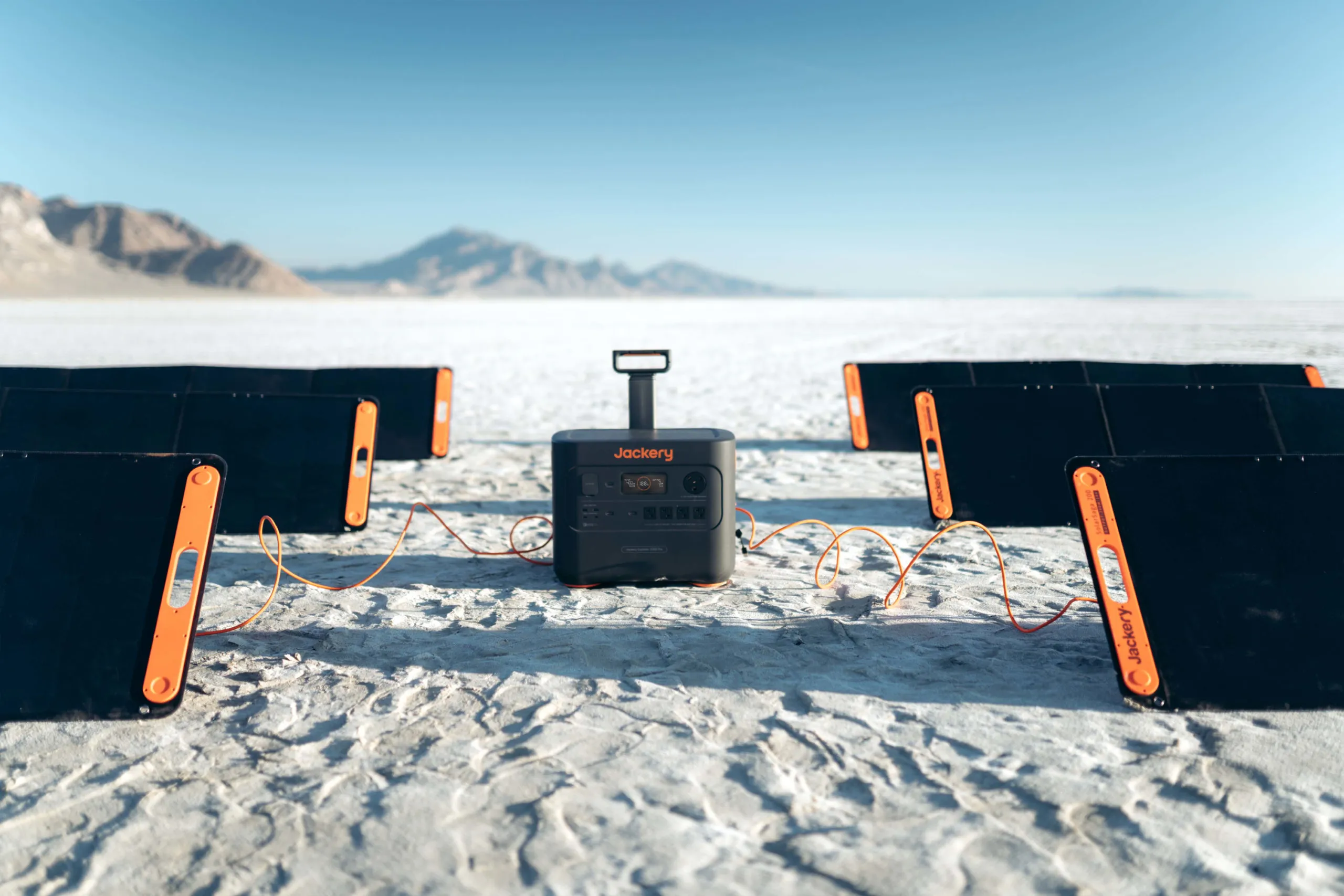
Big backup batteries used to feel like camping gear until the lights went out at home. The Jackery Explorer 3000 Pro Power Station sits in that newer space between a small weekend battery and a fixed whole-house setup. It has enough stored energy and output for serious use, yet it still rolls out of a garage instead of needing a permanent install.
That matters for Americans facing longer storm seasons, strained grids, RV travel, and rising interest in solar generator setups. You may want a backup that can keep a refrigerator cold, charge phones, run a coffee maker, and support work gear without the fumes of a gas machine. Readers tracking product launches through consumer tech and outdoor gear updates are watching this category because it is no longer niche. It is home gear now.
The real question is not whether this Jackery is big. It is. The better question is whether its size solves the actual problems you have during an outage, a road trip, or a long day off-grid.
Why the Power Station Category Has Shifted From Camping Gear to Home Gear
For years, portable batteries were sold with glossy campsite images: string lights, phones, cameras, and maybe a small cooler beside a tent. That pitch missed what many U.S. buyers now need. A family in Florida after a hurricane, a homeowner in Texas during a grid scare, or a California renter facing a planned shutoff is not shopping for a cute gadget. They are trying to protect food, communication, comfort, and work. The Explorer 3000 Pro answers that shift with 3,024Wh of capacity and a 3,000W output rating, which places it well above the little boxes people keep for phones and laptops. Still, the non-obvious point is this: the bigger win is not raw wattage. It is the way a rollable backup battery changes planning from panic to routine.
Why 3,024Wh Feels Different During a Blackout
A small battery teaches you to ration every plug. A larger home backup battery lets you think in blocks of time. You can run the fridge for part of the day, recharge phones, keep a router alive, use LED lamps at night, then decide whether the microwave deserves a short run. That is a different mood inside the house. It turns the first hour of an outage from a scramble into a checklist.
Here is the practical math. If your refrigerator pulls high power only in cycles, you may get far more useful time than a simple wattage estimate suggests. A 60W television is a light load. A 1,500W coffee maker is a short, sharp load. The same battery can feel generous or tight depending on how long each device stays on. A household that runs one fan, a router, and phones will experience this unit in a different way than someone trying to run heat, cooking, and entertainment together.
That is why buyers should list needs before they shop. Start with cold food, medical devices, communication, lighting, and fans. Comfort appliances come after that. A portable power setup feels strong when you use it like a budget, not like an open wall outlet. Write the list on paper and tape it near the charging cables. During a storm, nobody wants to debate whether the air fryer outranks the refrigerator.
The Portability Claim Depends on Where You Use It
The word portable can mislead people. This is not a backpack battery. At roughly the weight of a large packed suitcase, it belongs on wheels, not in your arms. The pull handle matters more than the marketing photo because most owners will move it from garage to kitchen, truck bed to RV pad, or porch to storage room. That path should be tested before the first outage, especially if stairs, gravel, tight closets, or raised thresholds are involved.
That is still real portability. A fixed backup system stays where it is installed. A gas unit needs outdoor placement, fuel, cords, and weather care. This Jackery can be staged indoors because it has no engine exhaust. That alone makes it easier for apartment renters and townhome owners who have limited outdoor space. In a second-floor apartment, the ability to run a fan, modem, and phone chargers indoors may matter more than owning a noisy fuel machine that has nowhere safe to sit.
The counterintuitive part is that heavier can be easier. Tiny batteries get carried from room to room and lost in the clutter. A larger wheeled unit often gets one planned location, one cable plan, and one charging routine. Less fiddling. Better readiness. The size forces a system, and the system is what people lean on when the grid goes quiet.
Output Matters Most When Your Home Has Mixed Loads
Capacity tells you how much energy is stored. Output tells you what the unit can handle at one time. Many buyers confuse the two, then feel let down when a battery with plenty of stored energy cannot run a high-draw appliance. The Explorer 3000 Pro gives you a higher ceiling, which is useful, but it still rewards discipline. Think about the American kitchen during an outage. The fridge needs steady support. The microwave wants a quick burst. The coffee maker draws hard for a few minutes. A space heater can drain stored energy fast. The unit may handle the draw, but that does not mean every choice is smart.
What 3,000W Means for Everyday Appliances
A 3,000W output rating opens the door to appliances that smaller batteries cannot manage well. You can think beyond phones, tablets, and laptops. A fridge, Wi-Fi router, CPAP machine, fan, coffee maker, TV, and some cooking tools may fit into the plan when used in the right order. This is the range where backup stops feeling like a phone charger and starts feeling like a household tool.
That last phrase matters: in the right order. Running a microwave while the coffee maker heats and the fridge compressor kicks on can stack loads fast. The fix is simple. Treat the battery like a small power panel. Run one heavy appliance at a time, then return to the low-draw basics. That habit protects runtime and keeps you from blaming the gear for a planning mistake.
For a family in suburban Atlanta, that may mean breakfast coffee first, fridge support after, laptop charging during work hours, and fans at night. No drama. The battery becomes a schedule, not a free-for-all. In a Phoenix summer outage, the schedule may shift toward fans, phones, and fridge cycles. In a Maine winter outage, it may center on communication, lighting, and short cooking windows because electric heat is a hungry load.
Why Surge Planning Beats Plugging Everything In
Many appliances pull more power at startup than they use once running. Refrigerators, pumps, compressors, and some tools can jump for a moment. That surge is where planning matters. You may be under the steady output limit and still create a hard moment by starting the wrong devices together. This is also why a backup plan built only from printed watt labels can miss real behavior.
The smarter habit is boring, which is why it works. Plug in the fridge first and let it settle. Add the router. Charge phones. Use cooking appliances in short windows. Keep heat-making devices on a tight leash because heat eats battery life faster than people expect. If a device gets hot on purpose, assume it will punish your runtime.
This is also where safety enters the conversation. If you use any fuel-burning generator alongside a battery system, follow Ready.gov power outage guidance and keep engine exhaust outdoors, away from windows. The Jackery side of your plan may be quiet and indoor-friendly, but the whole home plan still needs common sense. Battery backup can reduce how often you need a gas machine, yet it does not erase safe generator rules when fuel gear enters the picture.
Solar Charging Makes Sense Only With the Right Expectations
Solar charging is the feature that makes people dream big. Six panels in the sun, the battery filling back up, the house humming along after a storm. It can happen. It also depends on weather, shade, panel angle, and how much open space you have. A driveway in Arizona is not the same as a tree-covered yard in Pennsylvania. The Explorer 3000 Pro can work as part of a solar generator setup, and that is a major reason people look at it. The catch is that solar is not magic fuel. It is a refill method. When you understand that difference, the product becomes easier to judge.
How Solar Generator Setups Fit Real U.S. Weather
Solar generator kits are strongest when they serve a specific plan. For RV owners in Utah or Nevada, panels can refill enough energy during bright daytime hours to support camp life. For a Gulf Coast homeowner after a storm, the same panels may fight clouds, humidity, debris, and limited safe placement. A folding panel lying under oak shade will not perform like the clean product photo.
This does not make solar weak. It makes expectations matter. A good setup starts with the battery fully charged from the wall before the storm. Solar then stretches your backup window. It may keep phones, lights, fans, and fridge cycles going longer than battery-only use. Think of it as a daily refill, not a promise that every appliance can stay on without pause.
The non-obvious insight: solar panels often help most when they prevent small drains from becoming big problems. Keeping phones, radios, lights, and a router covered during the day leaves more stored energy for the fridge at night. That is not flashy, but it is how real outages are survived. The boring loads win because they keep the household informed, calm, and connected.
Why Wall Charging Still Matters Before Storm Season
Fast wall charging is less exciting than solar, but it may be the feature owners use most. When a storm watch appears, a wildfire shutoff warning lands, or a winter front threatens ice, you want the unit topped off before conditions get ugly. Waiting for sunlight is a poor emergency plan. A wall outlet before the storm is the cheapest solar panel you own, because it starts you at full capacity.
Build a habit around it. Check the charge once a month. Top it off before travel. Store it where the wheels can roll without moving six boxes first. If you own panels, test the full setup on a clear weekend instead of learning during a blackout. A ten-minute test can reveal missing adapters, awkward panel angles, or a cord that is too short for the best sunny spot.
That sounds plain, but it separates prepared owners from hopeful ones. Hope is not a charging method. A portable battery is only as ready as the routine around it. Pair that routine with a portable battery buying guide if you are comparing sizes, because the best spec sheet is the one matched to your daily habits.
Who Should Buy It, Skip It, or Wait
The Explorer 3000 Pro is not the right answer for every buyer. That is a strength, not a flaw. A serious home backup battery should have a clear owner in mind. This one makes the most sense for people who need meaningful output and storage, but still want a unit they can move without hiring an electrician for a fixed battery wall. The tension is price, size, and battery chemistry. Buyers comparing newer LiFePO4 models may care about long cycle life. Buyers focused on storm readiness may care more about output, charging speed, and whether the unit can be moved by one adult. The right choice depends on the job.
Best Fit: RV Owners, Homeowners, and Prepared Families
RV owners are a natural fit because they already think in energy budgets. They know what a fridge, fan, induction cooktop, Starlink kit, or laptop setup can do to stored power. A unit in this range can make dry camping feel less fragile, especially when paired with panels and a planned daily rhythm. It also keeps the campsite quieter than running an engine for every small need.
Homeowners get a different kind of value. They may not need it every week, but when the grid drops, it can protect the parts of life that feel urgent. Cold food. Charged phones. A fan in a hot bedroom. A lamp in a hallway. A laptop for remote work when the neighborhood is dark. In a split-level house, the wheels and handle may decide where it lives, so storage planning matters.
Prepared families may find the strongest case. One larger shared battery can serve the whole household better than five tiny packs scattered in drawers. Pair it with a home blackout preparation checklist, label the cords, and write down which appliances get priority. Kids, guests, and older relatives need plain instructions, not a lecture about watt-hours at midnight.
Where a Smaller Backup Battery Makes More Sense
Some buyers should skip this size. If you live in a studio apartment and only need phone charging, a router, and one lamp, a smaller backup battery may be easier to store and cheaper to buy. If you camp from a compact car, the size and weight may feel like a burden. Smaller gear can also be easier to lend to a neighbor or move between bedrooms.
A smaller unit also makes sense for people who want bedroom-level backup for a CPAP machine or laptop work without powering kitchen appliances. Simple needs deserve simple gear. Overspending on capacity you never use is not preparedness. It is clutter with a handle. The best purchase is the one you keep charged because it fits your life.
There is one more group that may wait: buyers who want expansion, newer battery chemistry, or a more permanent transfer-switch setup. For them, comparing this model against larger home backup options is smart. The Explorer 3000 Pro is strong because it stays movable, not because it replaces every home energy system. That distinction will save some buyers money and help others buy with more confidence.
Conclusion
Portable backup power has grown up because outages have changed from rare annoyances into planning events for many American homes. The best choice is no longer the biggest spec on a page. It is the unit that fits your space, your risk, your appliances, and your habits.
The Jackery Explorer 3000 Pro Power Station earns attention because it brings high capacity, serious output, and rollable design into a package many households can understand. Its value is not in pretending you can run life as usual forever. Its value is giving you control over the first hard hours and, with solar, stretching that control into the next day.
Buy it if you need a real home and travel backup, not a drawer battery. Skip it if your needs are light or your budget points elsewhere. Either way, make a load list before you buy. For most buyers, that list is more honest than any headline, because every home loses power in a different way. Prepared power starts with honest math.
Frequently Asked Questions
How long can the Jackery Explorer 3000 Pro run a refrigerator?
Runtime depends on the refrigerator’s wattage, compressor cycling, room temperature, and how often the door opens. Many full-size fridges cycle rather than pull peak power all day, so real use can last longer than simple math suggests. Test your own fridge before storm season.
Is the Jackery Explorer 3000 Pro worth it for home backup?
It is worth considering if you need fridge support, device charging, lights, fans, and short appliance use during outages. It makes less sense if you only need phones and a laptop. The price fits buyers who want serious backup without a fixed install.
Can the Explorer 3000 Pro run a microwave?
Yes, many microwaves fall within its output range, but use them in short sessions and avoid running other heavy appliances at the same time. Microwaves drain stored energy fast, so they should be treated as brief cooking tools, not background loads.
Is a solar generator better than a gas generator?
It is better indoors because there is no engine exhaust, fuel storage, or loud motor. A gas unit may still win for long heavy loads if fuel is available. Many households use battery backup for indoor essentials and reserve fuel machines for outdoor-only use.
How many solar panels should you use with this Jackery model?
The right number depends on the panel wattage, sunlight, and how fast you need to refill the battery. More panels can shorten recharge time, but only when placed in strong sun with proper matching. Space, weather, and shade matter as much as panel count.
Can renters use the Explorer 3000 Pro safely?
Yes, renters can use it without permanent wiring, which makes it useful for apartments and townhomes. Keep it dry, do not overload it, and store it where it can roll easily. Renters should avoid any setup that requires electrical panel work unless the landlord approves.
What appliances should I avoid running on it?
Avoid long use of space heaters, large air conditioners, hair dryers, and other heat-heavy devices unless you understand the drain. These loads may run, but they can empty the battery fast. Focus on food, communication, medical needs, lighting, and fans first.
What is the best way to prepare it before a storm?
Charge it from the wall, test your key appliances, label cords, and decide which devices get priority. Store it where it is easy to move. If you own panels, test them before bad weather arrives so you are not learning during an outage.