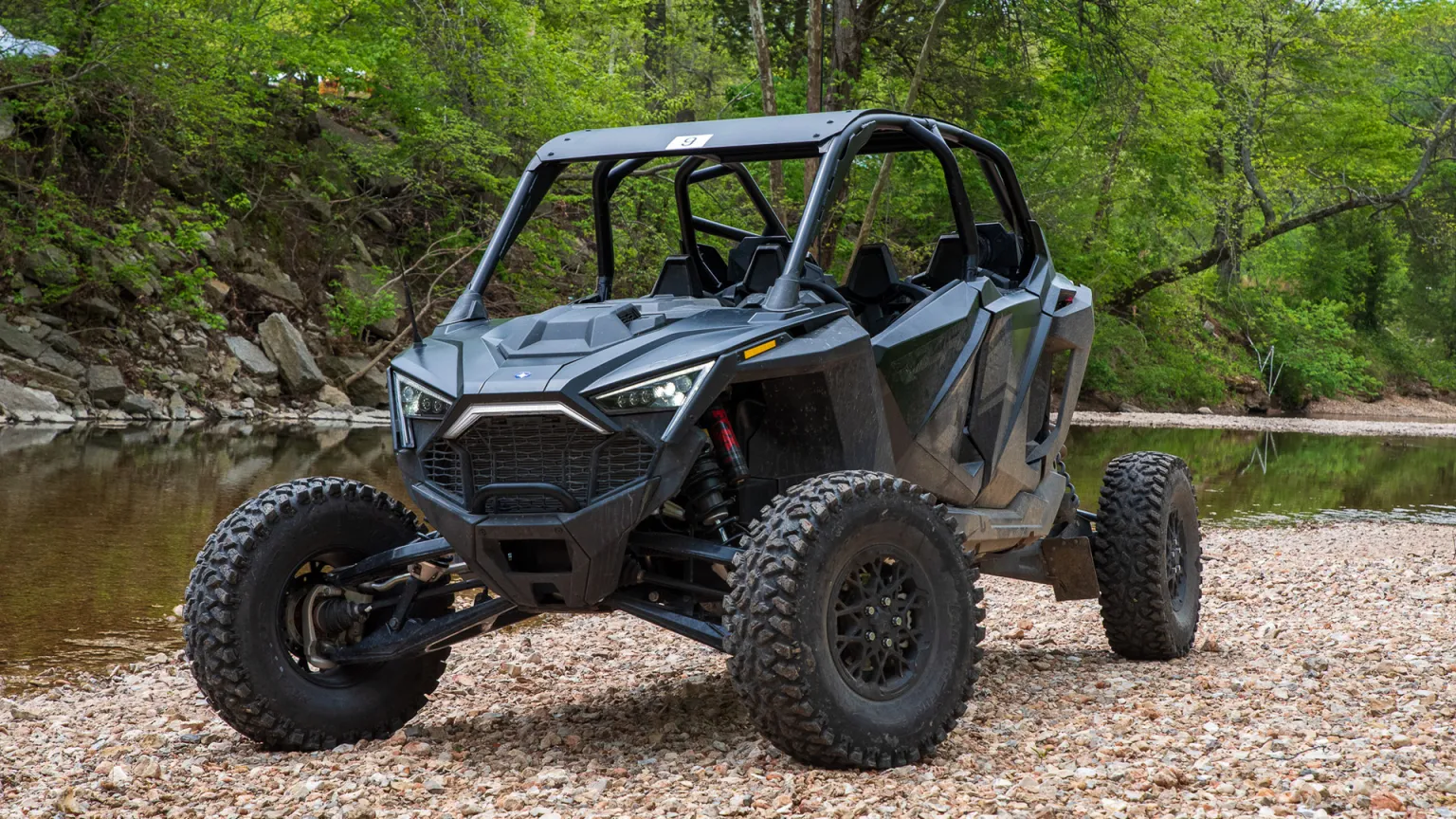
The first thing American off-road buyers should understand is simple: a reservation is not the same as a finished buying decision. The Polaris RZR Pro reservation buzz matters because it puts electric performance into the same conversation as dunes, desert trails, private land, and weekend toy haulers. For readers tracking new outdoor gear through early off-road product coverage, this is the kind of shift that can pull in both loyal RZR fans and first-time electric UTV shoppers. The smart move is to treat the reservation window as a research window. Ask about dealer allocation, deposit terms, final specs, charging needs, service access, and delivery timing before you lock yourself into excitement. Polaris already sells performance RZR machines and has promoted electric side-by-side technology through its off-road EV work, so the interest makes sense. The hard part is knowing what matters after the headline fades.
What the Reservation Signal Means for American Off-Road Buyers
A side-by-side reservation changes the mood before it changes the garage. It tells buyers that demand may move faster than supply, and that early names on a list may get better access to trims, colors, accessories, or delivery slots. That sounds exciting, but it also creates pressure. Good buyers slow down right there.
Why reservations create heat before real ownership begins
A reservation does one strong thing: it turns interest into a queue. That matters in places like Arizona, Utah, Nevada, Michigan, and Tennessee, where side-by-sides are not garage art. They get used on sand, rocks, ranch roads, hunting land, and forest trails. A machine that looks rare online can feel even rarer when the nearest dealer says the first batch is already spoken for.
That heat can help buyers who know what they want. It can hurt buyers who are still guessing. A refundable deposit, a dealer waitlist, or a trim hold may sound harmless, yet each one needs a clear paper trail. Ask what happens if delivery slips, if final pricing changes, or if the trim you want lands later than another version.
The counterintuitive part is that early access does not always mean the best ownership outcome. Sometimes the second wave is cleaner. Dealers have more answers. Accessories are easier to match. Owners have shared real trail feedback. Being first feels good, but being ready often feels better six months later.
What a reservation should tell you about demand
A side-by-side reservation can reveal where the market is headed. Gas performance machines still own much of the sport UTV world, yet electric UTV interest keeps growing because torque, lower noise, and simpler daily upkeep fit real use cases. Think of a landowner checking fence lines before sunrise or a hunter trying not to announce every mile.
That does not mean every rider needs an off-road EV. A dune rider who spends long days far from power has different needs than a homeowner using a machine across 40 acres. A family in rural Pennsylvania may care more about winter storage and dealer service. A rider in Southern California may care more about trail access rules and trailer range.
This is where reservation demand can fool people. A packed waitlist may prove hype. It may also prove that buyers are unsure and holding spots while they compare. Treat demand as a signal, not a verdict. Use it to move faster on research, not faster on payment.
Why the Polaris RZR Pro Reservation Feels Bigger Than a Product Drop
The reason this reservation story has weight is not only the badge. It is the collision of two buying cultures. RZR buyers often care about suspension, stance, power delivery, cockpit feel, and weekend punishment. Electric buyers often care about charging, quiet operation, battery life, software, and long-term cost. Put those together, and the purchase becomes more personal.
Performance buyers will judge it by feel, not theory
Sport side-by-side owners are not easy to impress with clean spec-sheet talk. They want throttle response that feels sharp but controllable. They want suspension that does not punish them after the third hour. They want steering that stays calm when the trail turns ugly. An electric UTV will be judged by those same old-school measures.
That is why the current gas RZR lineup still matters in this conversation. Polaris lists its present RZR Pro models as performance machines with two-seat and four-seat options, and the Pro R page promotes high power, a wide stance, and long usable travel. Those are the benchmarks buyers already understand. Any electric version has to earn trust against that memory, not against a press line.
The hidden test will be heat, weight, and repeat use. Electric torque can feel instant, but a side-by-side gets abused in a way a commuter EV does not. Washboard roads, deep sand, mud, steep climbs, and summer trailer days all expose weak points. The best early reviews will not come from parking-lot demos. They will come from dusty owners who come back with honest notes.
The quiet factor may matter more than speed
Many buyers hear “electric” and think the main story is speed. That may be wrong. The better story may be quiet control. A quieter off-road EV changes how you ride on private land, near cabins, around livestock, and through hunting areas where noise changes the whole day.
Picture a ranch owner in Texas checking a back pasture before guests wake up. A loud machine turns that into an event. A quieter one turns it into a task. That difference may not win a drag race, but it can change daily use. Same for a homeowner with trails behind a lake house, or a hunting lease where early morning noise matters.
There is also a social angle. Electric side-by-side models may help some riders keep access where noise complaints have become a problem. That will not fix every trail dispute. It may soften the edge in communities where off-road use sits close to homes, cabins, and public land boundaries.
How Electric UTV Ownership Changes the Weekend Ride
Buying an electric UTV is less about replacing gasoline and more about changing habits. You plan fuel by habit because gas stations are everywhere. You plan charging by location, time, and routine. That sounds like a burden until your riding life fits the pattern. Then it can feel easier than hauling cans.
Charging becomes part of the garage plan
For many American buyers, the most honest question is not “How far does it go?” It is “Where will I charge it every time?” A rider with a detached garage, 240-volt access, and predictable weekend use is in a better spot than someone storing the machine in a shared shed with one weak outlet.
Home charging may be the quiet advantage. You come back from a ride, plug in, and start the next day without a gas stop. That works well for private acreage, farm work, short trail loops, and resort areas with repeat routes. It works less well for all-day remote trips where the trailer is parked far from power.
Polaris has already framed its electric side-by-side work around battery-powered UTV use and a partnership with Zero Motorcycles. That tells buyers the company sees electric power as more than a display feature. Still, the ownership test is local. Your panel, your parking spot, your ride length, your climate.
Range anxiety is often a planning problem
Range anxiety sounds like an electric problem, but many gas riders already plan around fuel. Dune riders bring cans. Hunters watch mileage. Families turn back early when the gauge drops. The difference is that gasoline refills are quick, while charging takes more planning. That gap is real.
A smart buyer maps a normal weekend before reserving. How many miles do you ride in a day? How much time is spent crawling, climbing, idling, or parked? Do you trailer home every night, or camp away from power? A cabin owner in northern Wisconsin may have an easy answer. A desert rider doing long loops outside Moab may not.
The non-obvious upside is that electric range can be better suited to short, intense use than long wandering. Many side-by-sides spend more time on repeat local routes than owners admit. If your rides are two-hour loops, property runs, or guided routes, an off-road EV may fit better than the old mental picture suggests.
What to Check Before You Put Your Name Down
Reservation excitement should end with a checklist, not a shrug. The best buyers ask boring questions. Boring questions save money. They also reveal whether the dealer knows the product or is reading the same public notes you already found online.
Dealer answers matter as much as brand excitement
Start with deposit terms. Is it refundable? Is it tied to one dealer? Can it be moved to a different trim? Does it lock pricing or only hold a place in line? If the dealer cannot answer in writing, slow down. A side-by-side reservation should not feel like a handshake in a noisy showroom.
Then ask about service. Electric systems may need different diagnostic tools, training, and parts flow. Your nearest dealer may sell the unit, but that does not prove they are ready to service every issue. A buyer in rural Montana or West Virginia should care about this more than a buyer near a large powersports hub.
Use the same approach for accessories. Roofs, windshields, doors, winches, cargo systems, lighting, heaters, and audio kits can change the total bill fast. A reservation price without an accessory plan is not a real budget. Read side-by-side accessory planning tips before you price the machine alone.
Safety and trail rules still come first
Electric power does not remove the old risks. Side-by-sides can roll, slide, and surprise new drivers. The U.S. Consumer Product Safety Commission describes recreational off-highway vehicles as motorized off-road vehicles with four or more tires, built for one or more people. That official framing is worth remembering because the machine may feel car-like, but it is not a street vehicle.
Before reserving, check helmet rules, age rules, insurance needs, trail permits, and local land access. A family buying for a lake property in Minnesota will have a different rulebook than a rider using public trails in West Virginia. Do not assume the dealer’s county matches your riding county.
The quiet twist is that electric models may create new etiquette. Riders may enter areas with less engine noise, which can make hikers, horses, or other riders notice them later. That means speed control and visibility matter more, not less. Quiet machines still need loud judgment.
Conclusion
The reservation moment is exciting, but the smartest buyers will treat it as the start of homework. An electric UTV can make deep sense for riders with short loops, home charging, private land, hunting needs, or noise-sensitive areas. It may be a poor fit for buyers who ride long remote routes without power access. The Polaris RZR Pro conversation matters because it pushes sport side-by-side shoppers to think beyond horsepower and ask how power actually fits their land, garage, trailer, and weekend rhythm. Do not reserve because a headline feels urgent. Reserve because the numbers, dealer answers, charging plan, and use case all line up. Start with electric UTV ownership basics, talk to a dealer who can answer in writing, and compare the machine against the rides you take most often. The best off-road buy is not the loudest one online. It is the one you will still trust after the dust settles.
Frequently Asked Questions
How much should I expect to pay when reserving an electric side-by-side?
Expect the final cost to include more than the advertised machine price. Destination fees, setup, tax, title, registration, accessories, dealer charges, and financing can change the total. Ask for a written estimate before placing any side-by-side reservation.
Is an electric UTV worth it for private land use?
Yes, it can make strong sense for private land if your routes are predictable and charging is easy. Lower noise, instant torque, and fewer fuel trips can help with chores, hunting access, and property checks. Long remote rides need closer range planning.
What should I ask the dealer before reserving?
Ask whether the deposit is refundable, whether pricing is locked, when delivery may happen, which trims are expected first, and who handles service. Also ask about charger needs, accessory fit, warranty details, and what happens if production timing changes.
Will an off-road EV work for dune riding?
It may work for shorter dune sessions, but sand can drain energy faster than mild trail use. Dune riders should wait for real-world range feedback, heat performance notes, and charging plans before assuming an electric model fits long desert weekends.
Can I charge an electric side-by-side from a normal home outlet?
Some machines may support standard outlet charging, but charge time can be long. A higher-output home setup may be more practical for regular weekend use. Always confirm the required charger, plug type, and electrical needs before reserving.
Are electric side-by-sides safer than gas models?
Electric power does not make a side-by-side safe by itself. Speed, terrain, tires, driver skill, seat belts, helmets, and judgment still matter. Quiet operation can even require more awareness around people, animals, and other trail users.
Who should wait instead of reserving early?
Wait if you need final range data, confirmed pricing, dealer service proof, or owner reviews before buying. Early reservations suit buyers with clear use cases. Riders who depend on long remote trips may benefit from watching the first ownership reports.
What is the biggest ownership change with an electric UTV?
Charging routine is the biggest shift. Gas riders plan around fuel stops, while electric buyers plan around plugs, time, and route length. When charging fits your home and riding pattern, ownership can feel simple. When it does not, it can become frustrating.